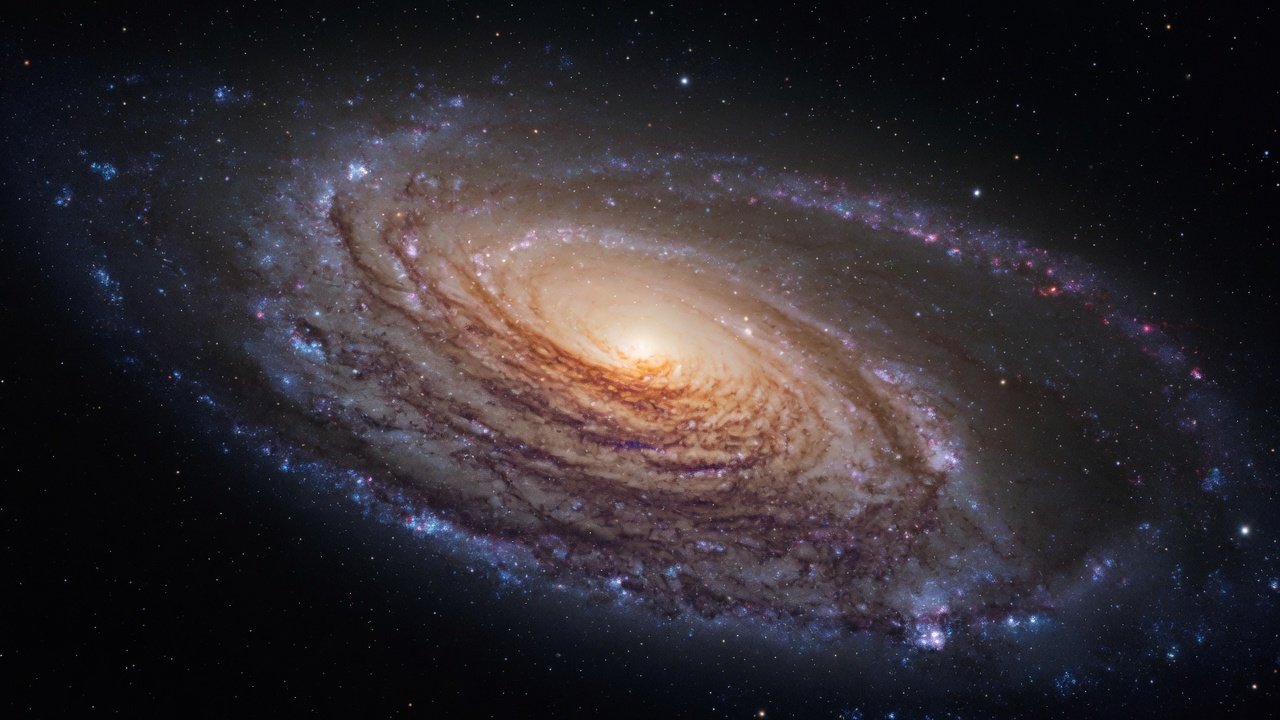
Starlight Cosmos
Live NASA data, Webb's deep fields, asteroids passing closer than the Moon — wired to knowledge cards on the stars, the elements they forge, and the laws they obey. Every card ships with prompts to explore, so you can think with the cosmos as well as look at it.
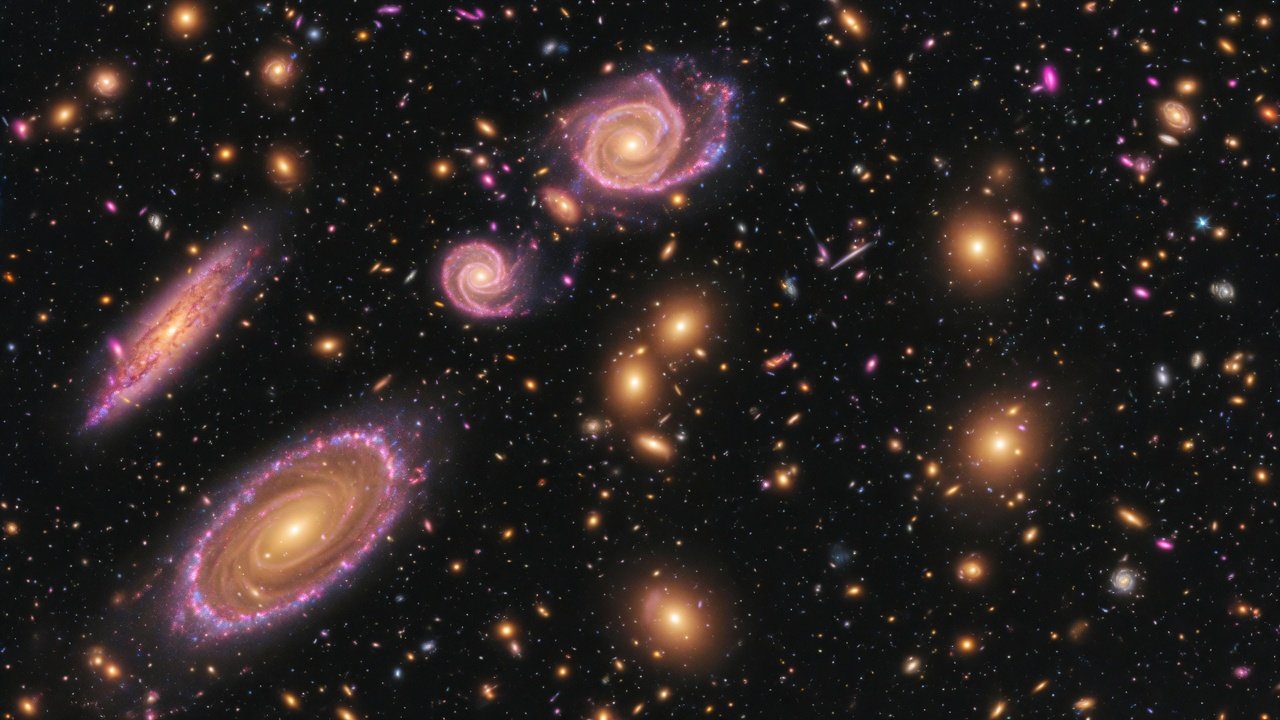
Galaxies, nebulae, and Webb's first images — pulled from NASA's open image library, refreshed daily.
Enter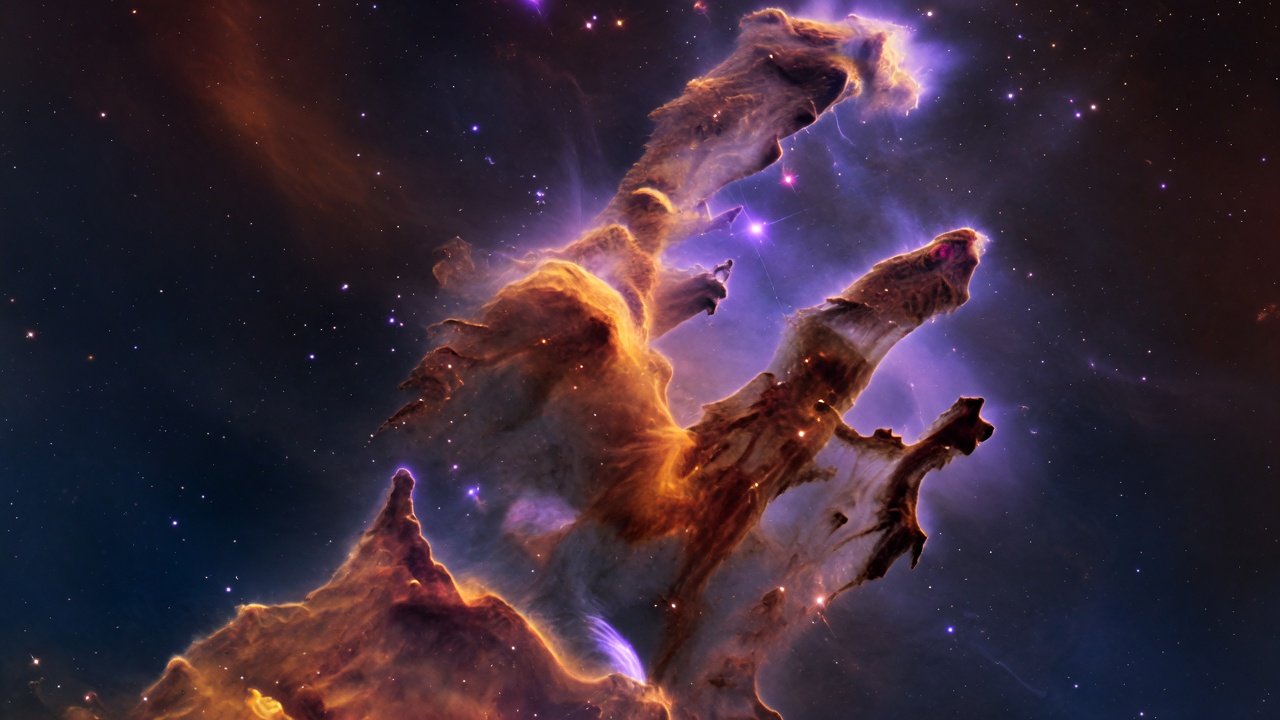
Near-Earth asteroids passing this week, with the mining-economics lens nobody else gives you.
Enter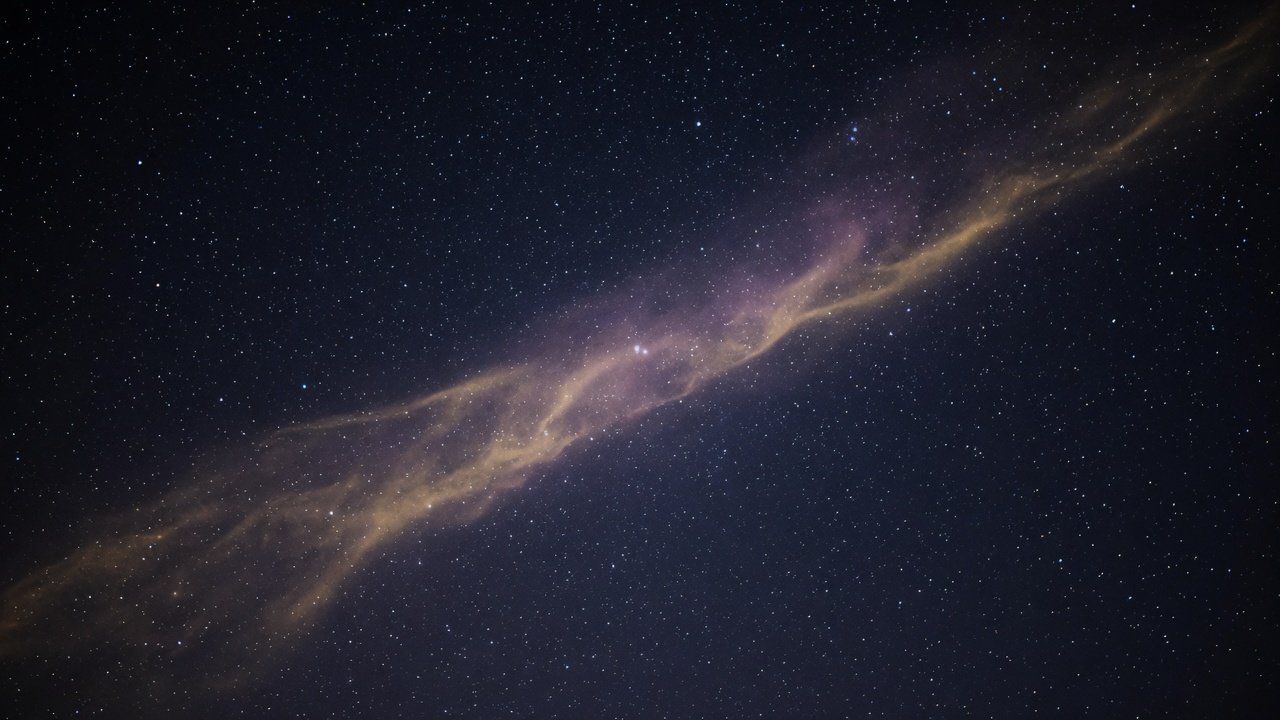
Orion, the Dipper, the Southern Cross — science, myth, and navigation on one chart.
EnterDeep cards on stars, metals, fusion, and the laws of the universe — each with prompts to explore.
Enter
This Rosetta spacecraft selfie was snapped on October 7th, 2014. At the time the comet-chasing spacecraft was about 472 million kilometers from planet Earth, but only 16 kilometers from the surface of comet 67P/Churyumov-Gerasimenko. Looming beyond the spacecraft near the top of the frame, dust and gas stream away from the comet's curious double-lobed nucleus. Bright sunlight glints off one of Rosetta's 14 meter long solar arrays. In fact, two exposures, one short and one lon…
NASA Apod
Launched 1977 with 69 KB of memory, now the farthest human-made object — still returning interstellar data on a shrinking power budget, patched remotely across a 22-hour light delay in 2024.
Open cardThe most recognizable pattern in the sky — seven bright stars spanning 245 to 1,300+ light-years, aligned only from Earth's point of view, plus a stellar nursery you can see with the naked eye.
Open cardA ~226 km metal-rich world — possibly the exposed core of a shattered protoplanet. NASA's Psyche spacecraft arrives in 2029 to find out what it actually is.
Open cardStars were humanity's first clock, compass, calendar, and database — and the literal supply chain for every atom in you heavier than helium. The philosophy layer, kept honest by physics.
Open cardA 6.5 m gold-coated infrared eye at L2 with 344 single-point failures that all worked. It found the early universe surprisingly mature — and reads exoplanet air.
Open cardForged in neutron-star collisions, delivered to Earth's crust by late impacts. Gold's scarcity is an astrophysical accident — all of it ever mined fits in a ~22 m cube.
Open cardEvery card carries prompts designed to be pasted into any AI agent — Claude, ChatGPT, Gemini. The cosmos as training ground for systems thinking.
Gravity & Orbits
“Delta-v, not distance, prices a space mission — some asteroids are cheaper to reach than the Moon's surface. What's the delta-v analog in your business: the real cost metric hiding behind the intuitive one?”
Spectroscopy
“Spectroscopy turned starlight from scenery into a queryable database. What stream of data are you currently treating as scenery?”
Platinum-Group Metals
“Run the supply-elasticity trap: returning 100 tons of platinum would move the price how much? Build the demand curve before believing any trillion-dollar asteroid headline.”
Long March 8A | SatNet LEO Group 28
China Aerospace Science and Technology Corporation
Falcon 9 Block 5 | Starlink Group 15-16
SpaceX
Falcon 9 Block 5 | Starlink Group 15-18
SpaceX
GSLV Mk II | IRNSS-1L (NVS-03)
Indian Space Research Organization
Long March 12A | Flight 2
China Aerospace Science and Technology Corporation
Built in the open
Starlight Cosmos is the experience layer of an open system: a production engine with agents and MCP servers for space data, a curated directory of cosmos AI resources, and a knowledge graph. Every card here is designed to become an agent-readable MCP resource.